
The Importance of Hot Yoga for Heart Health
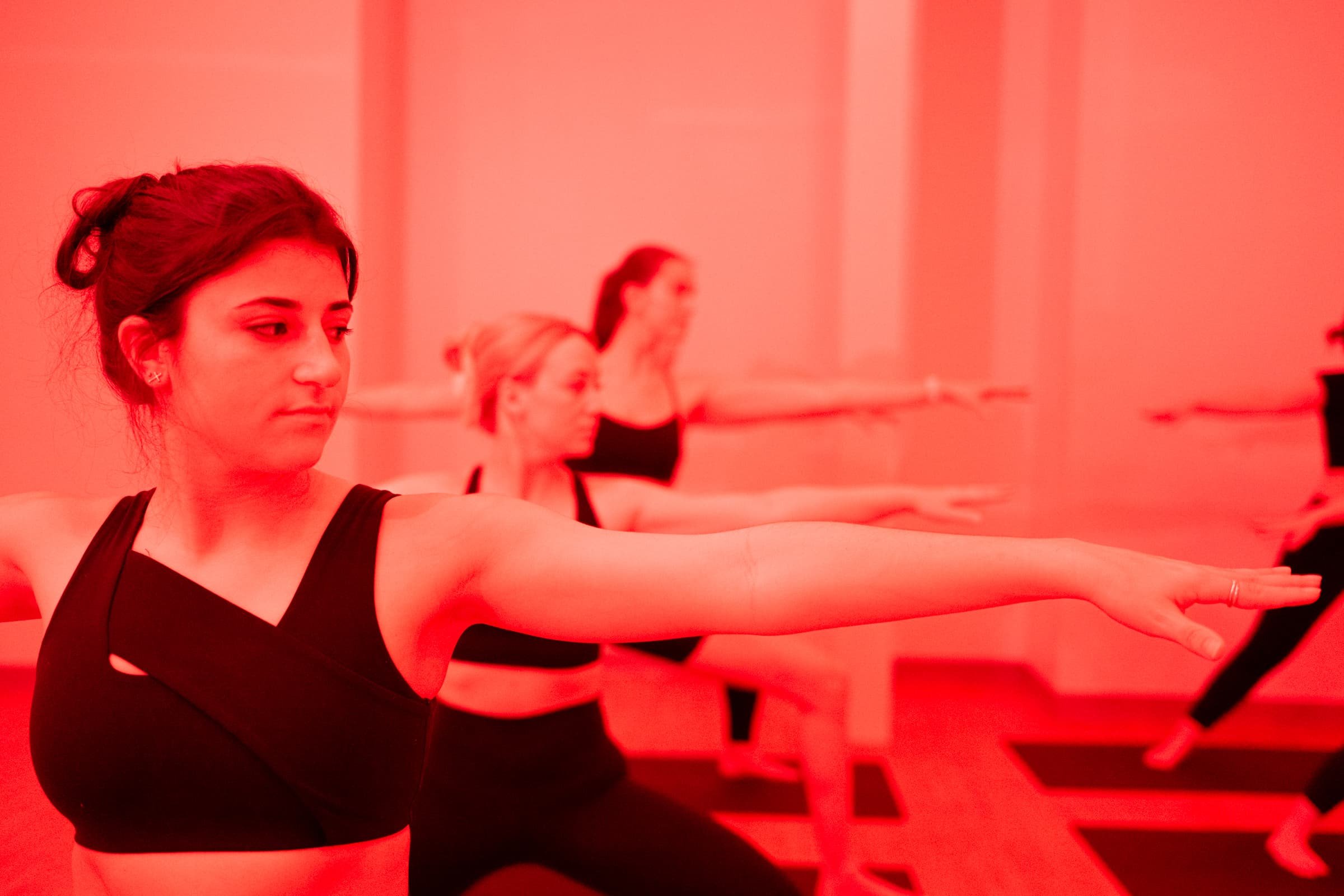
When you think about heart health, you may picture running miles, crushing a spin class, or lifting heavy. But here’s something we don’t talk about enough: your hot yoga practice is training your heart, too.
Every time you step into that heated room at Midtown Yoga, your body adapts. Your breath deepens, your circulation increases, and your heart works in a steady, intentional way that builds endurance without beating up your joints.
Hot yoga isn’t just about flexibility or sweating it out. It’s a powerful way to support your cardiovascular health — and here’s why.
The Heat Gets Your Blood Flowing
As your body adjusts to a heated environment, your heart begins working a little harder to regulate temperature and circulate blood efficiently. Your blood vessels widen, circulation improves, and oxygen is delivered more effectively throughout your body.
That gentle elevation in heart rate acts as a form of low-impact cardiovascular conditioning. Over time, consistent practice can support endurance and overall cardiovascular efficiency. According to the American Heart Association, yoga has been shown to help lower blood pressure and improve heart health when practiced regularly. When heat is added, your circulatory system receives an additional adaptive stimulus, which can further support heart function.
Unlike high-impact workouts that can stress the joints, hot yoga strengthens the cardiovascular system in a controlled and accessible way.
Stronger Blood Vessels = A Stronger Heart
One of the key physiological responses to heat is vasodilation, which means your blood vessels expand. When vessels are flexible and responsive, blood flows more easily and your heart does not have to work as hard to push it through the body.
Research published in the Journal of the American College of Cardiology has linked regular heat exposure to improved cardiovascular outcomes. While hot yoga is not the same as passive heat therapy, it combines thermal exposure with movement and breathwork, creating a unique and active cardiovascular benefit.
Over time, this can support healthier blood pressure and improved vascular function, both of which are essential components of heart health.
Stress Is a Heart Thing, Too
Heart health is not only about physical endurance; it is also deeply connected to how well your body manages stress. Chronic stress increases cortisol levels, which can contribute to inflammation and elevated blood pressure.
Hot yoga encourages nervous system regulation through controlled breathing and sustained postures. As you settle into the heat and focus on your breath, your parasympathetic nervous system becomes more active. This “rest and digest” state helps counterbalance the constant stimulation many of us live in daily.
A regulated nervous system reduces overall strain on the heart and supports long-term cardiovascular resilience.
Build Endurance Without the Burnout
Hot yoga strengthens the heart through steady effort rather than explosive intensity. Long holds, intentional transitions, and controlled breath create a sustained cardiovascular challenge that builds endurance over time.
This makes it an excellent option for individuals who want to improve cardiovascular fitness without the repetitive joint impact that can come with running or high-intensity workouts. The combination of strength, mobility, and elevated heart rate allows you to build stamina in a way that feels strong, grounded, and sustainable.
What This Means for Your Practice
Every time you practice hot yoga, you are supporting more than flexibility or muscle tone. You are improving circulation, enhancing vascular function, managing stress, and building cardiovascular endurance.
It is a practice that strengthens the heart both physically and emotionally. That balance of effort and breath, intensity and calm, is part of what makes hot yoga such a powerful tool for overall health.
The Bottom Line
Hot yoga offers more than a good sweat. It provides a steady, intentional cardiovascular challenge that supports long-term heart health while protecting the joints and calming the nervous system.
When you return to your mat consistently, you are not only deepening your practice — you are strengthening one of the most important muscles in your body.
And that is something your heart will thank you for. ♥️
